The Allure of Chance and Uncertainty
The appeal of casino games lies fundamentally in the unpredictability of outcomes. Players are drawn to the thrill of not knowing whether their next bet might lead to a significant win or an unfortunate loss. This uncertainty triggers a psychological response known as variable reinforcement, where the occasional win acts as a powerful motivator, reinforcing the behavior of playing even after losses. For those looking to enhance their gaming experience, 1win offers a range of exciting options that keep players engaged and entertained. The heart-pounding moment just before a wheel spins or a card is revealed serves to heighten this anticipation, making the experience more exhilarating. The emotional highs associated with these moments can create a powerful urge to continue playing, despite the risks involved.
Cognitive biases also play a crucial role in how individuals perceive risk and reward in casinos. The gambler’s fallacy, for instance, leads players to believe that past events affect future outcomes, such as thinking a specific number is ‘due’ to appear after a streak of misses. This misconception can drive players to gamble more, believing they possess an understanding or control over the game when, in actuality, the results are entirely random. The illusion of control can further entrench the gambling behavior, as players seek to validate their beliefs through continued play. By understanding these common psychological traps, we can begin to see the deeper motivations behind our choices at the gaming table.
Moreover, casinos are meticulously designed environments that enhance the psychological experience of gambling. Bright lights, loud sounds, and the constant flow of new games create a sensory overload that keeps players engaged. This immersive atmosphere is engineered to minimize the perception of time, making it easy for players to lose track of their spending and duration of play. The smells, sights, and sounds all work in tandem to create an environment that is both exciting and disorienting, encouraging players to stay longer and gamble more. By capitalizing on the emotional highs and lows associated with gambling, casinos effectively keep players returning for more, despite the inherent risks involved.
The Role of Social Interaction
Social interaction is another significant aspect of the psychology behind casino games. Gambling often takes place in communal settings, fostering a sense of camaraderie among players. This social dimension enhances the overall gaming experience, allowing players to share in victories and commiserate over losses. The emotional support from fellow gamblers can create a more enjoyable and less isolating experience, which can be particularly appealing to those looking for connection in their leisure activities. The presence of others can amplify the thrill of winning and provide comfort during losing streaks, creating a shared emotional experience that enhances the overall appeal of gambling.
Additionally, the social nature of casinos can amplify the effects of peer influence on gambling behavior. Players often observe others’ betting habits and may feel compelled to imitate them, either to fit in with the group or to capture the same perceived luck. This phenomenon can lead to increased betting and risk-taking, as individuals strive to keep up with their peers, sometimes pushing their limits in the process. The desire for acceptance and validation can become intertwined with gambling, complicating the motivations behind the activity. As players seek social approval, they may make irrational decisions that could lead to financial losses or greater emotional stress.
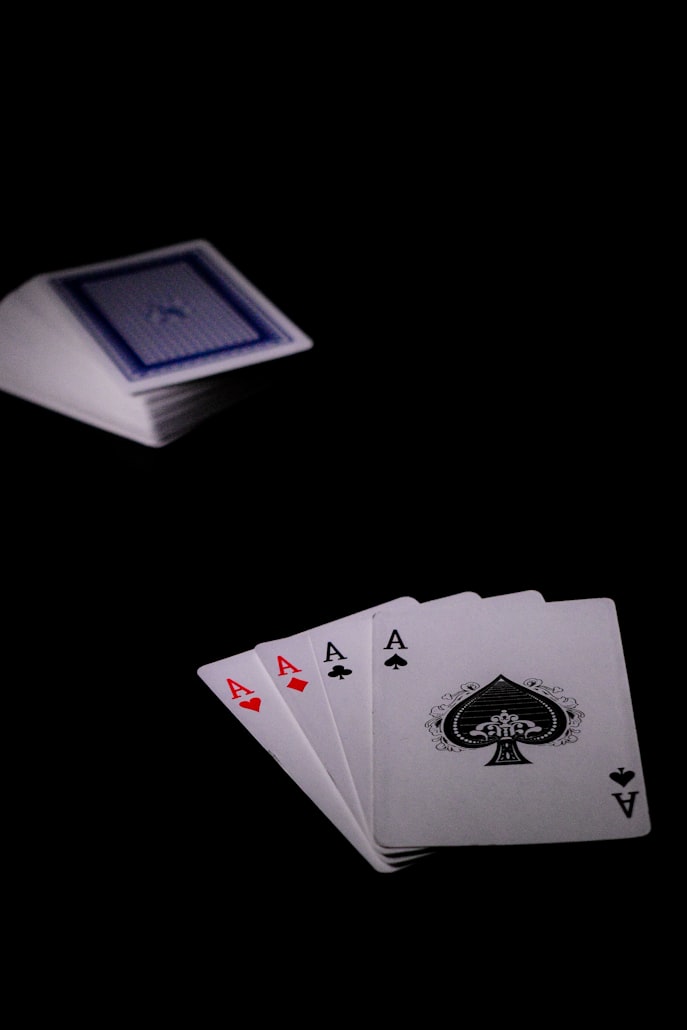
Furthermore, the presence of dealers and staff can also enhance the social dynamics of casino games. Friendly interactions and personalized service can create a sense of loyalty and attachment to the establishment, prompting players to return. These social connections act as an emotional anchor, encouraging players to view the casino as a place not just for gambling, but for social engagement as well. This can lead to a sense of community among regular players, making the gaming experience more enjoyable and reinforcing the cycle of returning to play. Such relationships can play a vital role in creating a positive, albeit sometimes misguided, association with gambling behavior.
The Psychology of Losses and Recovery
The emotional fluctuations encountered while gambling can significantly impact players’ decisions. One of the most profound psychological aspects of gambling is the tendency to chase losses—a behavior where players increase their bets in an attempt to recover what they have lost. This compulsion is compellingly tied to the notion of loss aversion, a principle from behavioral economics which states that losses are psychologically more impactful than equivalent gains. As a result, individuals often find themselves trapped in a cycle of increased betting, hoping to negate their earlier financial setbacks. This mindset can lead to detrimental habits that are hard to break, as the desire to recover lost money overshadows rational thinking.
This recovery behavior can lead to dangerous patterns, where the thrill of potentially reclaiming a loss overshadows rational decision-making. The stronger the desire to win back lost money becomes, the more risky the wagers often become. This can create a downward spiral, where individuals bet more than they can afford, leading to more significant financial and emotional consequences. Understanding this psychological mechanism is crucial for individuals to recognize their behaviors and seek help if needed. By acknowledging the impulse to chase losses, players can develop strategies to manage their gambling habits more effectively.
Moreover, the concept of ‘hot streaks’ plays into players’ psychological reactions as well. Individuals may believe they are on a winning streak, attributing their success to their skills or intuition rather than blind luck. This mindset can prompt players to risk more, convinced that they are favored by fortune. The allure of a hot streak can create an exhilarating experience that is hard to resist, leading players to place larger bets or continue playing longer than they should. Ultimately, these perceptions can distort a player’s understanding of probability and risk, leading to detrimental gambling habits that affect their overall well-being and finances.
The Impact of Design and Environment
The environment of a casino is strategically crafted to enhance the psychological appeal of gaming. From the layout of the floor to the placement of machines, every element is designed to keep players engaged and spending. The lack of windows and clocks removes any sense of time, allowing gamblers to lose themselves in the experience. This design choice contributes to a state of flow, where players are so engrossed in their activities that they remain unaware of their surroundings and the passing of time. The architecture of casinos often encourages a sense of exploration, leading players deeper into the venue where they may spend even more time and money.
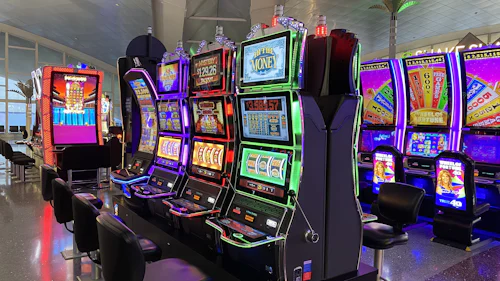
Sights and sounds also play a crucial role in creating an engaging atmosphere. The jingles of slot machines and the cheers from nearby players celebrating wins serve to reinforce the excitement of gambling. These auditory cues can trigger joy and elation, encouraging others to join in. The visual stimuli, such as flashing lights and colorful displays, create an environment designed for maximum engagement, reinforcing the connection of positive emotions with gaming activities. This immersive experience not only captivates players but also creates memorable moments that keep them coming back for more.
Furthermore, casinos often create a sense of exclusivity and allure through loyalty programs and high-stakes areas that reward frequent players. This fosters a feeling of belonging and reinforces the behavior of returning. Players may feel that they are part of an elite group, incentivizing them to gamble more frequently and at higher stakes to maintain their status. Such strategies showcase the intelligent application of psychological principles by casinos to cultivate a consistent customer base. By leveraging these psychological triggers, casinos effectively create environments that encourage prolonged engagement and increased spending.
Understanding the Psychology of Gambling
Understanding the psychology behind casino games provides valuable insights into the motivations and behaviors of players. From the allure of chance to the social dynamics of betting, these elements contribute to a complex emotional landscape that influences decision-making. By recognizing the psychological triggers present in gambling, individuals can better navigate their gaming experiences and make more informed choices about their play. This understanding can empower players to enjoy the thrill of gambling while remaining aware of the risks involved.
Additionally, being aware of one’s psychological biases and emotional responses can empower players to approach gaming in a healthier, more responsible manner. It’s essential to enjoy the excitement without falling prey to the potential pitfalls associated with gambling. Reflecting on these psychological aspects can foster a deeper appreciation for the games while also encouraging a mindful approach to play. This reflection can lead to a more balanced perspective on gambling, allowing players to set boundaries and enjoy the experience without becoming overwhelmed by it.
In conclusion, the interplay of chance, social dynamics, emotional reactions, and environmental design creates a rich tapestry that defines the gaming experience. As players engage with these elements, they must remain vigilant about their motivations and behaviors. By cultivating an awareness of the psychological underpinnings of gambling, individuals can enhance their enjoyment while minimizing the risks associated with this compelling pastime. Through education and self-awareness, players can foster a healthier relationship with gambling, ensuring that it remains a source of entertainment rather than a source of distress.